he 'Build-to-Rent' Land Grab: Why BTR Developers are Outbidding Rooftops
![[HERO] The 'Build-to-Rent' Land Grab: Why BTR Developers are Outbidding Rooftops](https://cdn.marblism.com/GxXbMX-Tszw.webp)
If you've been trying to market a 20-50 acre tract in Collin, Denton, or Grayson County lately, you've probably noticed something interesting: the buyers coming to the table aren't all your typical homebuilders. In fact, the group writing the strongest offers might not be building houses for sale at all.
They're Build-to-Rent developers: and they're changing the rules of the game.
What is Build-to-Rent (and Why Does it Matter)?
Build-to-Rent, or BTR, is exactly what it sounds like: entire subdivisions built from the ground up with the sole intention of keeping every single home as a rental property. These aren't scattered investor-owned houses or converted for-sale inventory. These are purpose-built, professionally managed rental communities designed to function like an apartment complex, but with single-family homes instead of units.
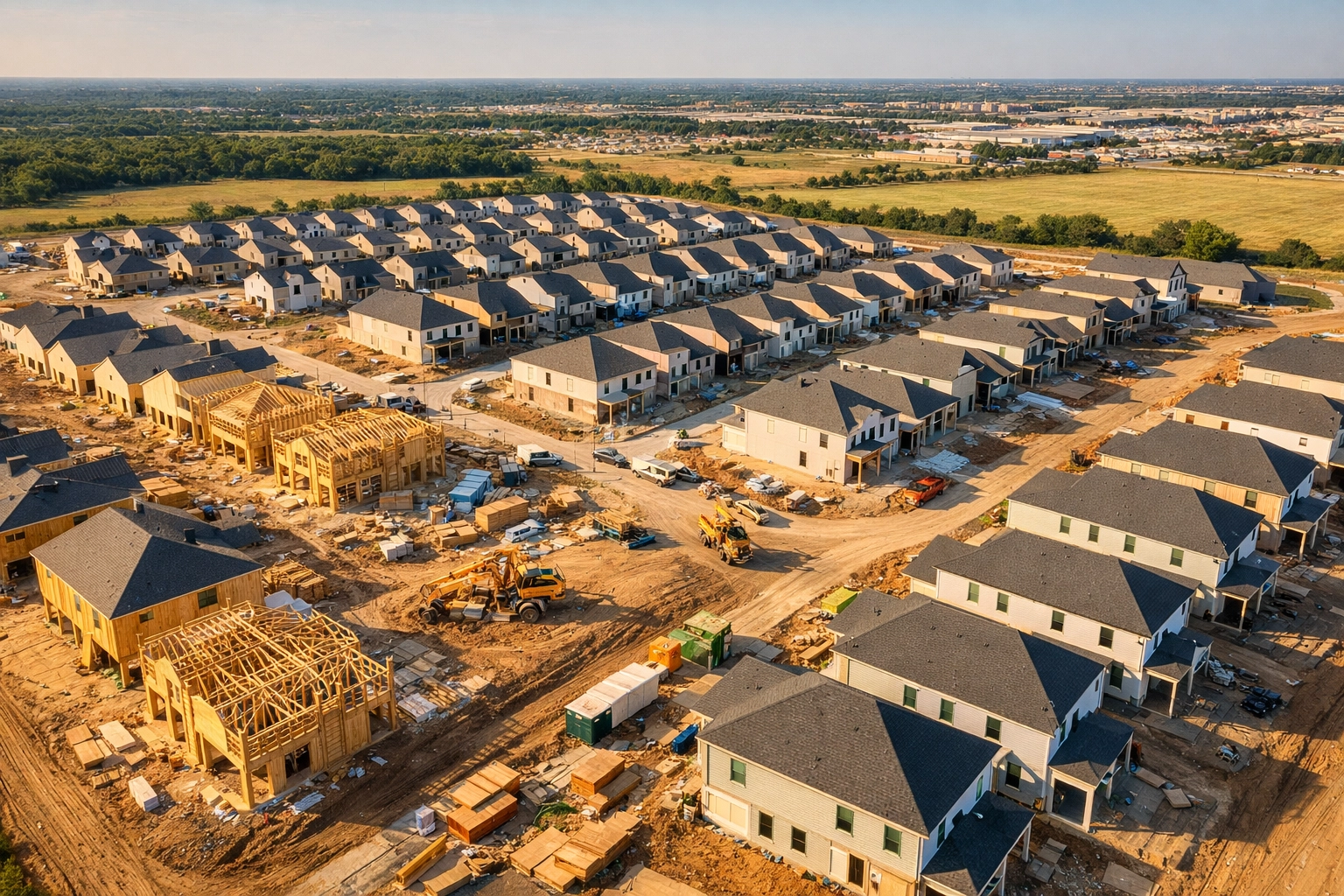
Over the past three years, BTR has exploded across North Texas. What used to be a niche play for institutional investors has turned into a full-blown land acquisition strategy: and it's putting serious pressure on traditional builders who want to sell homes to end-user buyers.
If you're sitting on a development-ready tract between 20 and 60 acres, you need to understand why BTR groups are becoming your most aggressive buyers.
Why BTR Developers Can Pay More Than Homebuilders
Here's the fundamental difference: a traditional homebuilder's revenue model is based on selling homes. They build, they close, they move on to the next batch. Their margin is locked into a single transaction, and they're highly sensitive to per-door construction costs, absorption rates, and interest rate swings.
A BTR developer, on the other hand, is building income-producing assets. They're not flipping houses: they're creating a stabilized rental portfolio that generates cash flow for decades. That completely changes the underwriting.
The Institutional Capital Advantage
Most BTR deals are backed by institutional money: private equity funds, REITs, pension funds, or family offices with long time horizons. These groups aren't financing projects with traditional construction loans that need quick turnover. They're using structured equity that's designed to hold assets for 10, 15, even 20 years.
That means they can afford to pay more for land because they're not in a race to recoup costs in 18 months. They're building for long-term yield, and the math works differently when you're projecting rental income over a decade instead of a one-time sale profit.
The Rent Premium in New Construction
Here's the kicker: BTR homes command higher rents than older single-family inventory because they're brand new, in master-planned communities, and professionally maintained. A BTR community in Prosper or Celina can charge $300-$500 more per month than a comparable older rental down the road.
When you're building 150-200 homes and expecting to hold them all, that premium adds up fast. Over a 10-year hold, that extra $400/month per home equals nearly $60,000 per door in additional revenue. Suddenly, paying $20K or $30K more per acre doesn't seem so risky.
Lower Exit Risk
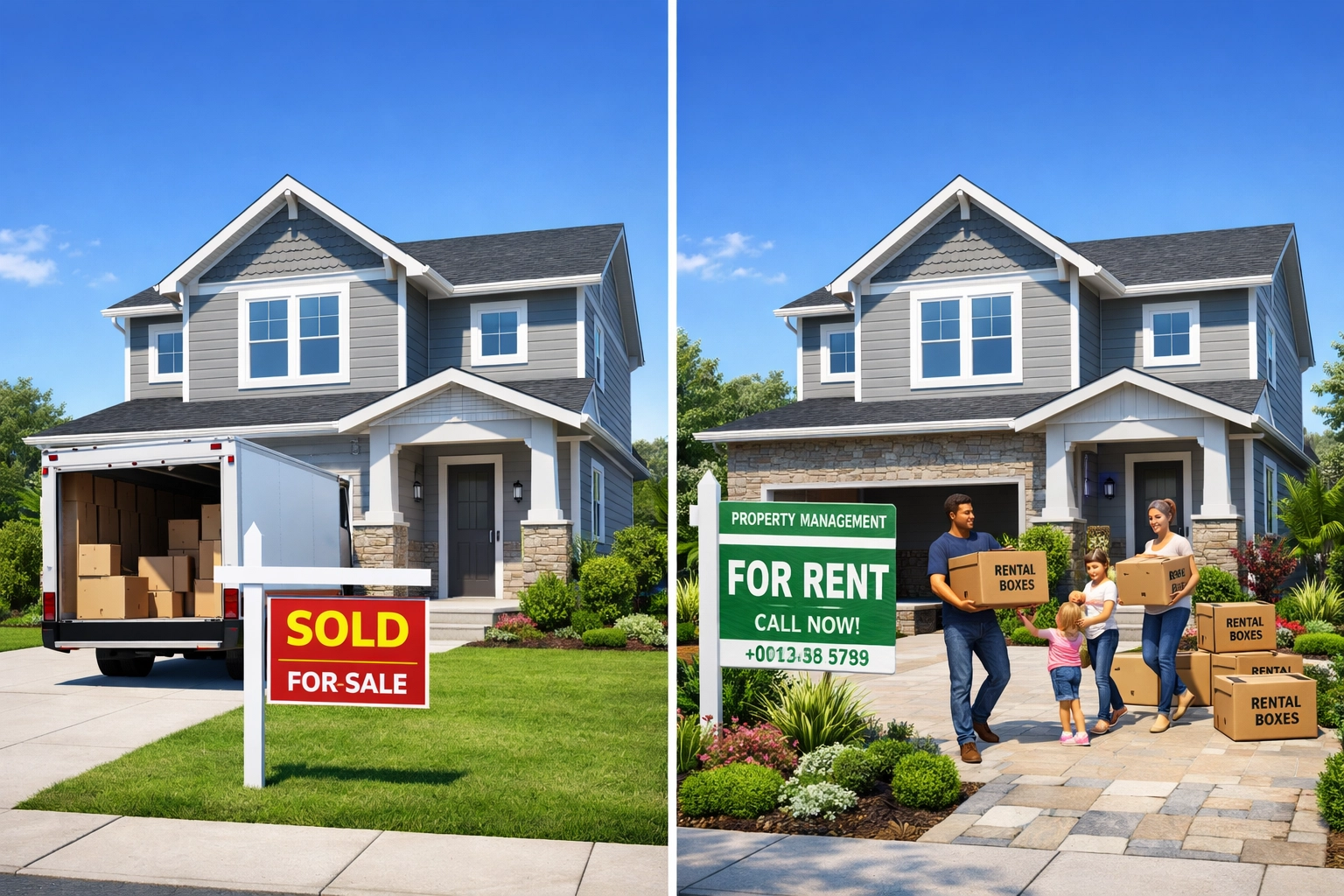
Traditional builders face a tough reality: if the housing market softens, their inventory sits. Unsold homes are dead capital. BTR developers don't have that problem. If the market slows, they just keep leasing. The asset still produces income, and they wait for a better exit environment.
That optionality: being able to hold through downturns: gives BTR groups a major advantage when underwriting land. They can stomach more risk on the acquisition side because they have less risk on the exit side.
The Sweet Spot: 20-50 Acre Parcels
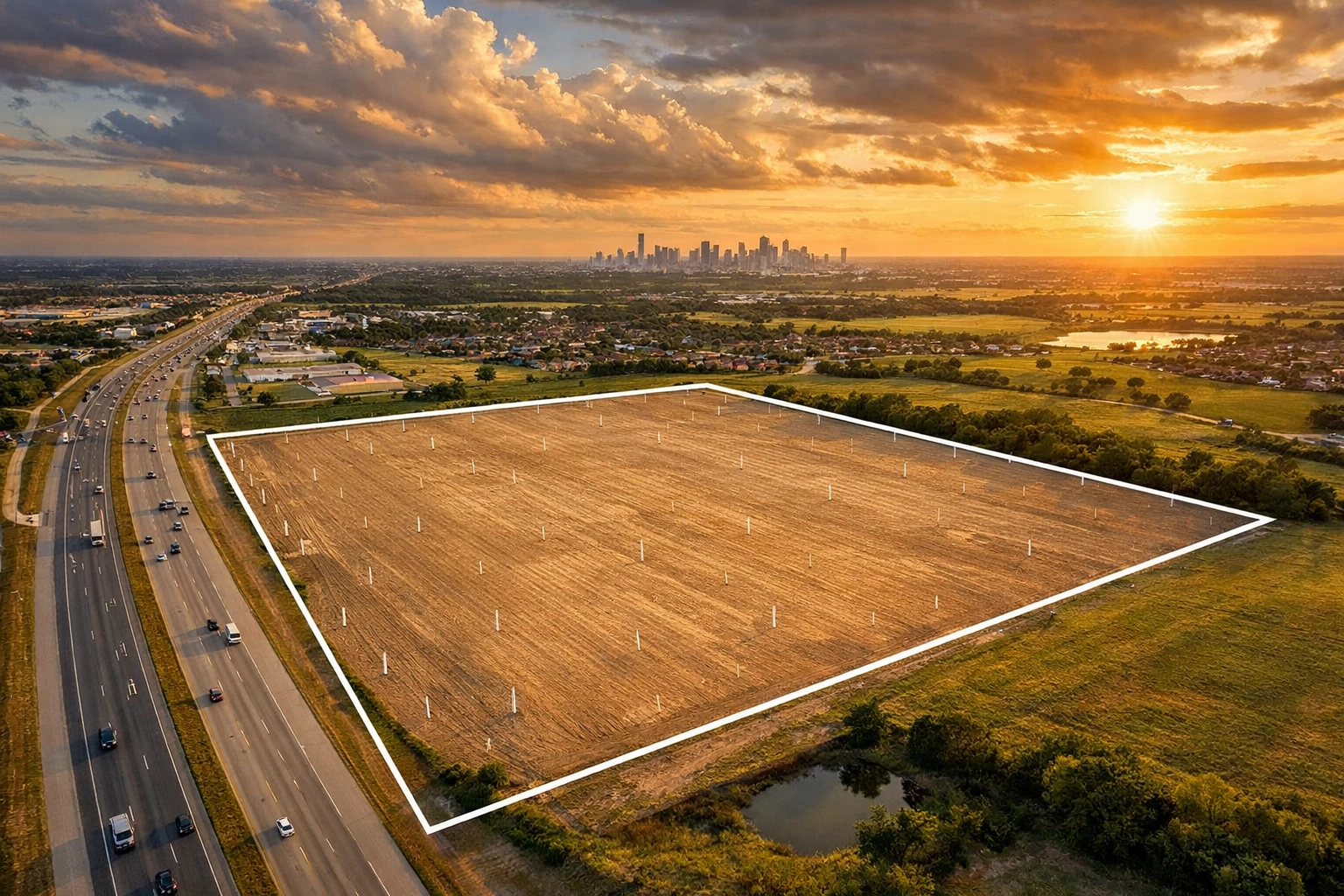
BTR developers aren't buying 5-acre tracts or 300-acre ranches. They want that goldilocks range: big enough to create a cohesive, amenitized community (think pool, clubhouse, walking trails), but small enough to develop in a single phase without tying up too much capital at once.
In North Texas, the ideal BTR site is:
- 20-60 acres in size
- Within 45 minutes of Dallas/Fort Worth job centers
- In the path of growth, but not yet at peak retail pricing
- Near good schools (even renters care about this for resale down the line)
- Serviceable by municipal water/sewer or MUD infrastructure
If your tract checks those boxes and you're in Collin, Denton, Grayson, or Rockwall County, you're in the BTR bullseye.
What This Means for Land Sellers
If you're selling a tract in the 20-50 acre range, you need to be marketing to both traditional builders and BTR groups. That's not always automatic: BTR buyers often come from private equity circles, not the homebuilder Rolodex your broker might have on speed dial.
Here's what changes when BTR is at the table:
Expect Higher Price Per Acre
When a BTR group competes with a traditional builder, they can usually go 10-20% higher on price and still make the deal work. That's not because they're overpaying: it's because their revenue model isn't capped at a single sale per lot.
For sellers, this is the golden scenario: a competitive bidding environment where two fundamentally different business models are fighting for the same dirt.
Longer Due Diligence, But Stronger Buyers
BTR deals tend to have longer due diligence periods: sometimes 90 to 120 days instead of the standard 30-60. That's because institutional buyers have more layers of approval, more intense underwriting, and higher standards for environmental and title work.
But here's the upside: once they're in contract, they close. BTR developers don't get cold feet because mortgage rates ticked up or because pre-sales were soft. Their capital is patient, and their timeline isn't driven by retail market sentiment.
Community Perception Still Matters
One thing to keep in mind: not every city or landowner wants a BTR development on their tract. Some municipalities are wary of entire subdivisions being rentals, fearing it could affect long-term property values or neighborhood stability.
That's a fair concern, and it's worth discussing with your broker. But in fast-growth markets like Anna, Prosper, and Celina, BTR is increasingly seen as a necessary part of the housing mix: providing workforce housing for people who aren't ready to buy yet but still want a great place to live.
How We're Seeing This Play Out in 2026
Right now, we're tracking BTR interest in three major zones:
The Tollway Corridor (Celina/Gunter): As the Dallas North Tollway pushes north, BTR groups are locking up sites 6-12 months ahead of traditional builders. They're betting on the tollway bringing jobs and renters, not just buyers.
East Denton County (Aubrey/Pilot Point): With land prices in Prosper and Frisco out of reach, BTR developers are shifting to the "next ring" where they can still get 30-50 acre tracts for under $100K per acre.
Rockwall and Fate (I-30 Corridor): The East is becoming the new "value play" for BTR. Proximity to downtown Dallas, good schools, and lower land basis make this one of the hottest BTR zones in North Texas.
If you own land in any of these areas, you're sitting in the crosshairs of the BTR wave.
Final Thoughts: The New Competition for Development Tracts
For years, land sellers could count on traditional homebuilders to set the price ceiling for development tracts. That's no longer the case. Build-to-Rent developers have entered the market with deeper pockets, longer time horizons, and a completely different set of underwriting assumptions.
If you're considering selling a 20-50 acre tract in the North Texas growth corridor, make sure your broker understands the BTR market. It's not just about listing the property: it's about positioning it to the right audience and knowing how to structure a deal that works for institutional buyers.
The land market is shifting, and the smartest sellers are the ones who recognize that the highest bidder might not be who they expect.
Dan Cooper
Owner/Broker, Cooper Land Company
cooperlandcompany.com
OUR LISTINGS
© 2026 Cooper Land Company
DMCA Notice | Terms & Services | Privacy Policy | Accessibility Statement
EQUAL HOUSING OPPORTUNITY



Cooper Land Company
2501 Greenspoint Ln, Prosper, TX 75078
Mobile: 214-714-5638
dan@cooperlandcompany.com