Eastward Expansion?
The Great Eastward Shift: Is Rockwall and Kaufman the New North Dallas?
![[HERO] The Great Eastward Shift: Is Rockwall and Kaufman the New North Dallas?](https://cdn.marblism.com/m80TqFSZXSR.webp)
If you've been watching the DFW land and commercial market for the past two decades, you know the playbook by heart: North Dallas explodes, developers follow the Interstate 75 and Dallas North Tollway corridors, and towns like Frisco, Plano, and McKinney transform from sleepy suburbs into corporate headquarters hubs practically overnight.
But here's the thing: that script is getting rewritten in 2026.
The North Dallas growth machine is still humming, but it's running out of affordable runway. Land prices in Collin County are pushing $200,000+ per acre for well-positioned tracts. Commercial property is hitting $200–$230+ per square foot in premium locations. And while that's great for those who got in early, it's pricing out a new generation of developers, investors, and businesses looking for their next big win.
So where's the smart money looking now? East.
Rockwall County and Kaufman County are rapidly becoming the new frontier for DFW expansion, and if you're not paying attention, you're about to miss the boat on one of the most significant shifts in the Metroplex real estate landscape since the North Dallas boom itself.
The North Dallas Playbook: A Blueprint for What's Coming
Let's rewind to the late 1990s and early 2000s. Back then, Frisco was farmland with a population under 40,000. Plano was established but still had room to grow. McKinney was the definition of "small-town Texas."
Then came the rooftops. Master-planned communities like Stonebriar and The Trails opened. Families flooded in, drawn by great schools, new infrastructure, and proximity to Dallas without the Dallas price tag. And wherever rooftops go, commercial development follows.
By the mid-2000s, Frisco had Toyota's North American headquarters. Legacy West was on the drawing board. Corporate relocations became a flood: State Farm, JPMorgan Chase, Liberty Mutual, T-Mobile. The North Dallas Tollway and Sam Rayburn Tollway became billion-dollar commercial corridors almost overnight.
Fast forward to today, and Collin County's population exceeds 1.1 million people. Frisco alone is closing in on 230,000 residents. And land? Good luck finding a buildable 10-acre tract inside the Collin County core for under $2 million.
That same playbook is now unfolding to the East: but it's still in the early innings.
The Eastward Shift: Why Rockwall and Kaufman Are Heating Up
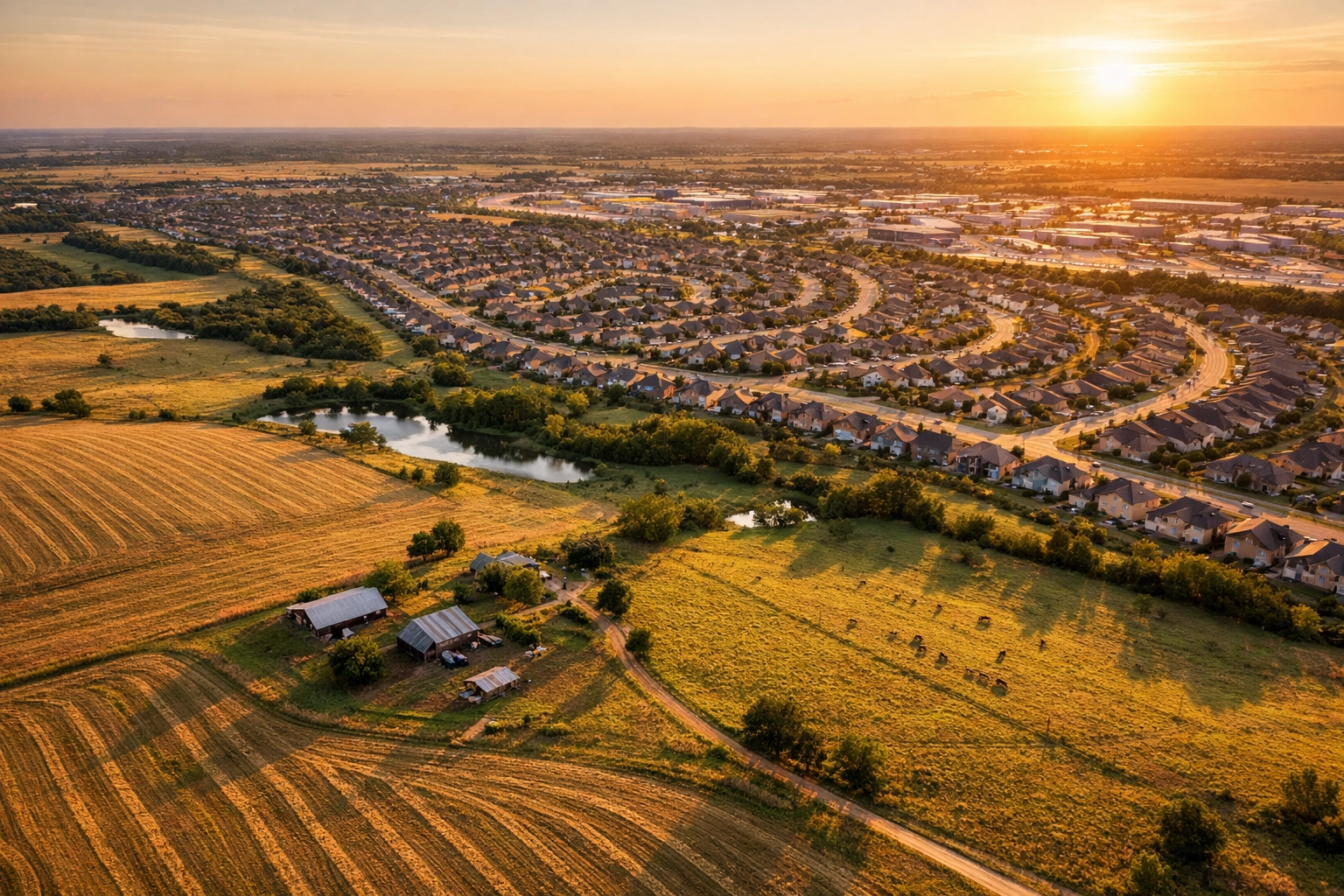
Here's the reality: DFW is still one of the fastest-growing metros in the country, but the traditional growth corridors are saturated. Developers and investors are being forced to look East, where land is still attainable, infrastructure is improving, and rooftop growth is exploding.
Kaufman County is leading the charge. The county added more than 11,000 residents in a single year: a growth rate of nearly 6%. Since 2020, the population has surged by over 34%. That's not gradual sprawl: that's a population boom.
Rockwall County is no slouch either. With a population now exceeding 105,000, Rockwall has become one of the fastest-growing small counties in Texas. The infrastructure is here (or coming fast), the schools are improving, and the appeal to families fleeing high-cost North Dallas is undeniable.
And just like Frisco in 2005, where rooftops lead, commercial follows.
Price Per Acre: The Gap is Closing Fast
Let's talk numbers, because that's where the opportunity (and urgency) becomes crystal clear.
In Collin County and North Dallas, land prices for commercial and residential development are now routinely hitting:
- $150,000–$250,000+ per acre for prime commercial sites
- $200–$230+ per square foot for Class A commercial properties
- Premium pricing even for undeveloped, raw land with utility extensions
Meanwhile, in Rockwall and Kaufman Counties, the pricing landscape is dramatically different: for now:
- Commercial land is trading in the $50,000–$100,000 per acre range for well-located tracts
- Price per square foot for commercial property is still climbing but remains significantly below North Dallas benchmarks
- Raw land with development potential can still be acquired for $20,000–$50,000 per acre depending on location and access
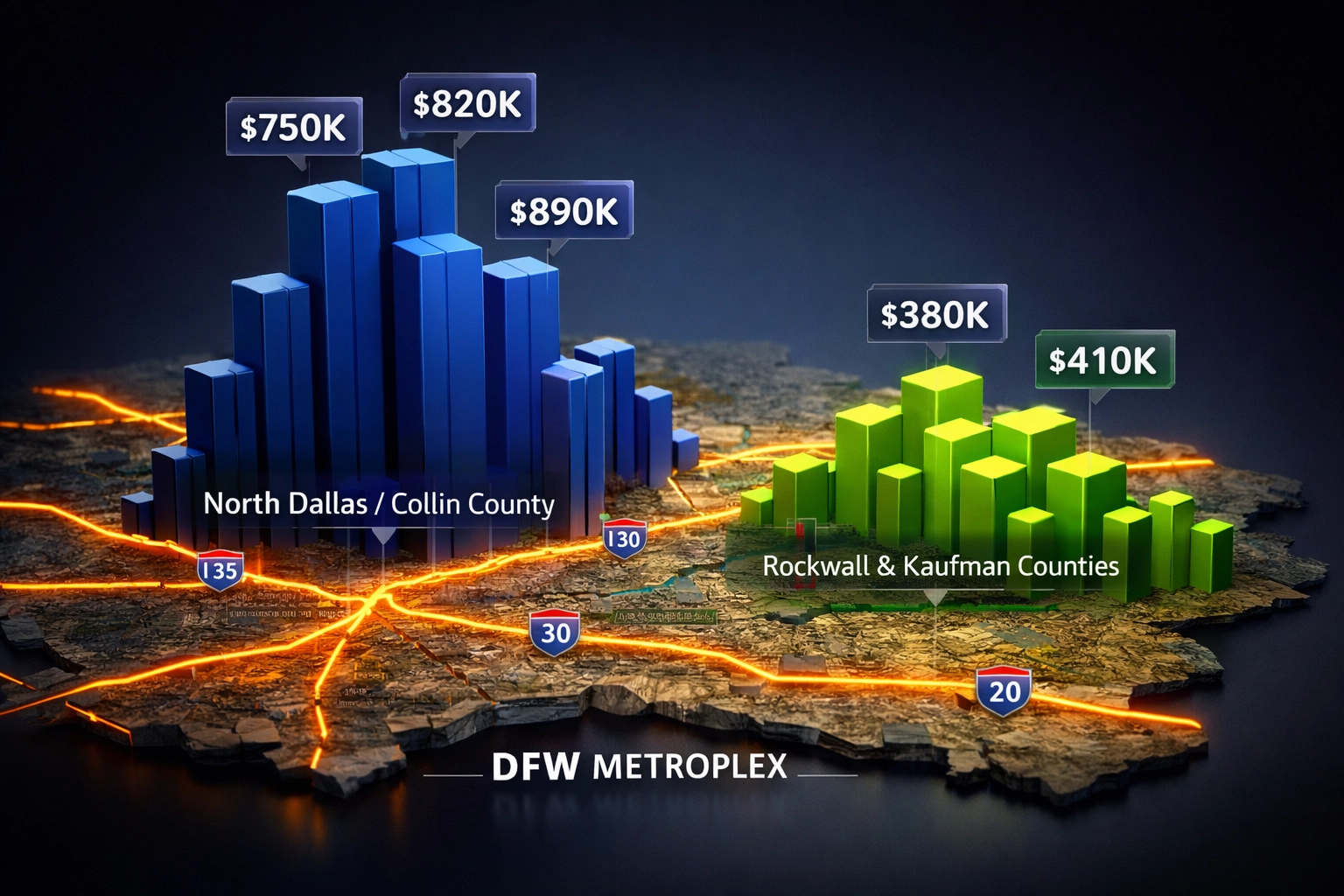
But here's the kicker: that gap is closing. Fast.
Five years ago, land in Frisco was half of what it is today. The same transformation is happening in Rockwall and Kaufman: except the timeline is compressed because the infrastructure, corporate migration, and population growth are all accelerating simultaneously.
Rooftops First, Then Commercial Follows
The development cycle in any growing suburban market follows a predictable pattern:
- Residential growth (rooftops) comes first: master-planned communities, single-family subdivisions, and apartment complexes.
- Retail and service commercial follows quickly: grocery stores, gas stations, medical offices, restaurants.
- Corporate and industrial investment comes next: distribution centers, manufacturing, office campuses, flex space.
Right now, Rockwall and Kaufman are firmly in Stage 2, transitioning hard into Stage 3.
Residential developers are already betting big on the East. New subdivisions are breaking ground in Forney, Fate, Royse City, and Rockwall proper. Apartment complexes are popping up near major arterials. And the school districts: always a key driver of family migration: are investing in new campuses and expanded facilities.
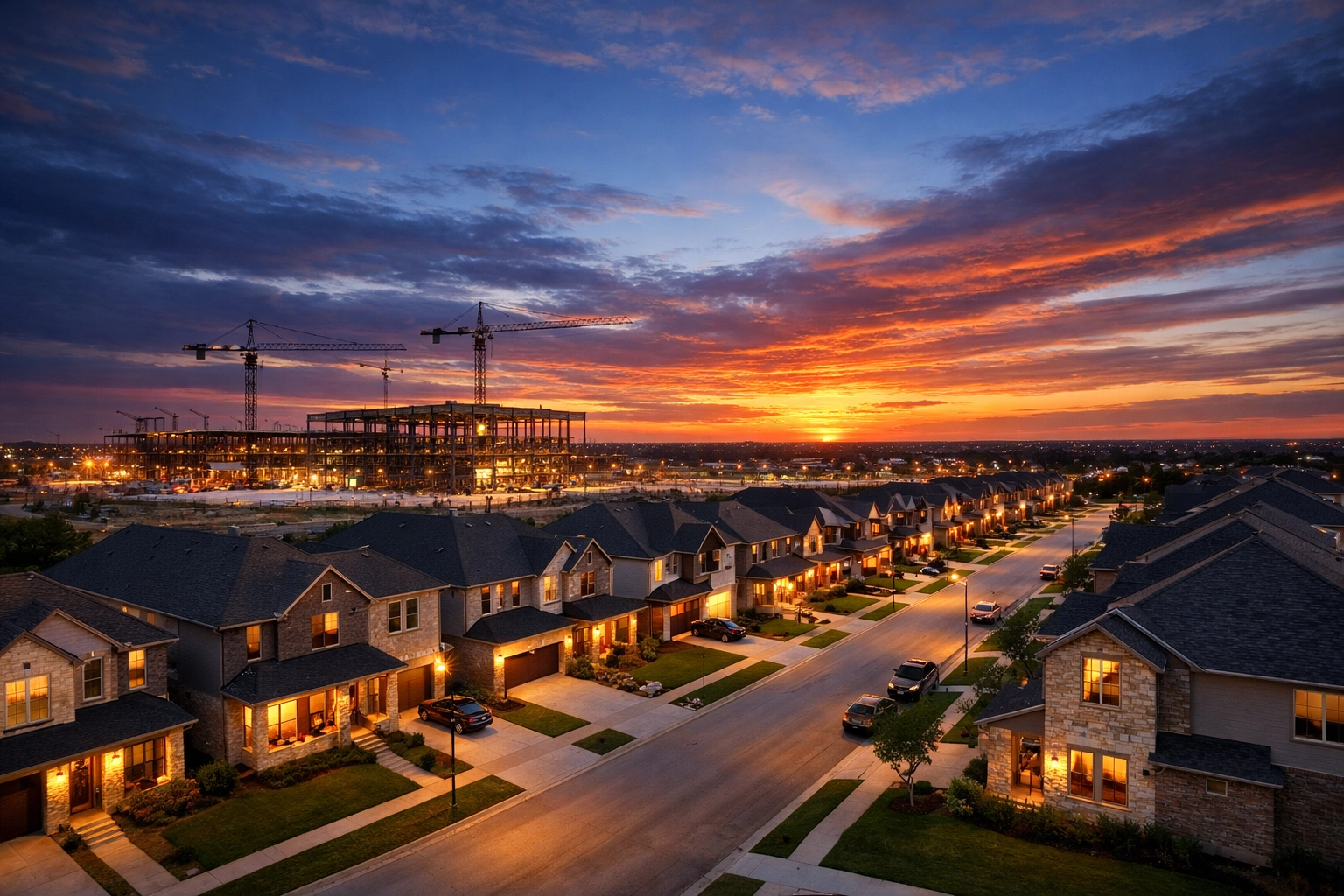
On the commercial side, the dominoes are falling fast. Retail developers are securing pad sites near new residential growth. Flex and industrial space is ramping up to meet demand from e-commerce and distribution. And: most tellingly: corporate relocations are starting to happen.
Corporate Movement: The Proof is in the Pudding
One of the clearest signals that a market is entering the "next phase" is when companies start relocating their headquarters or opening major facilities.
Take Lollicup, for example. The national beverage and food service supplier moved its headquarters to Rockwall County in recent years, bringing jobs, investment, and supply chain infrastructure with it. That's not a one-off: it's a harbinger.
Distribution and manufacturing companies are eyeing the East because of three factors that mirror the North Dallas boom:
- Highway access: Interstate 30 and US-80 provide direct connectivity to Dallas, Fort Worth, and major freight corridors.
- Land availability: Large-format industrial sites (20+ acres) are still attainable without the bidding wars common in North Dallas.
- Labor pool: The residential growth is creating a workforce that doesn't want to commute 45 minutes west every day.
The same forces that made North Dallas attractive for corporate campuses: proximity to talent, modern infrastructure, tax-friendly environment: are now pulling companies East.
The Investment Opportunity: Get In Before the Window Closes
If you're an investor, developer, or business owner evaluating your next move in the DFW market, the Eastward expansion represents a rare window of opportunity.
Here's why the timing matters:
1. The price gap still exists. You can acquire land and commercial property in Rockwall and Kaufman at a fraction of North Dallas pricing: but that window is shrinking month by month as developers and institutional investors catch on.
2. Infrastructure is improving rapidly. Road expansions, utility extensions, and municipal planning are all accelerating to meet demand. When infrastructure catches up (and it will), property values follow.
3. Population growth is accelerating, not slowing. Kaufman County's 34% growth since 2020 isn't a fluke: it's a trend. And those residents will need services, retail, office space, and industrial jobs.
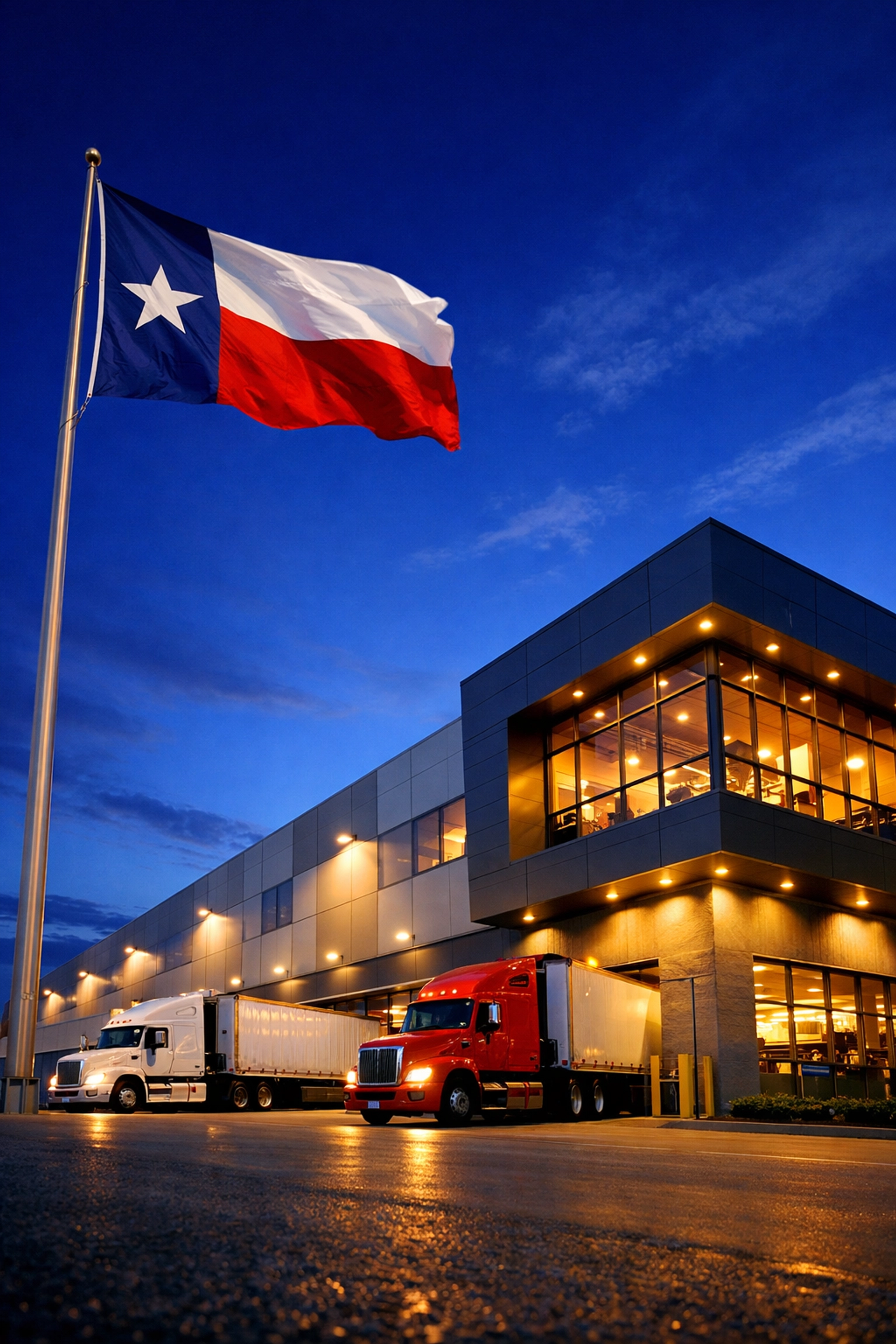
4. The North Dallas saturation is forcing the market East. Developers aren't abandoning North Dallas: they're just running out of affordable land. The path of least resistance is East, and the capital is following.
Drawing the Parallel: Rockwall and Kaufman as the "New Frisco"
It's easy to get swept up in the hype of any emerging market, but the fundamentals in Rockwall and Kaufman are strikingly similar to the early days of the North Dallas boom:
- Population surge: Frisco grew from 33,000 in 2000 to 200,000+ today. Kaufman County is in the early stages of a similar trajectory.
- Corporate interest: Just as Toyota, State Farm, and JPMorgan chose North Dallas in the 2000s and 2010s, distribution and manufacturing companies are now choosing the East.
- Pricing advantage: Frisco land was $30,000–$50,000 per acre in the early 2000s. Today, Rockwall and Kaufman offer similar relative value compared to the core.
- Infrastructure investment: Just as the North Dallas Tollway and Sam Rayburn transformed access, improvements to I-30, US-80, and local arterials are opening up the East.
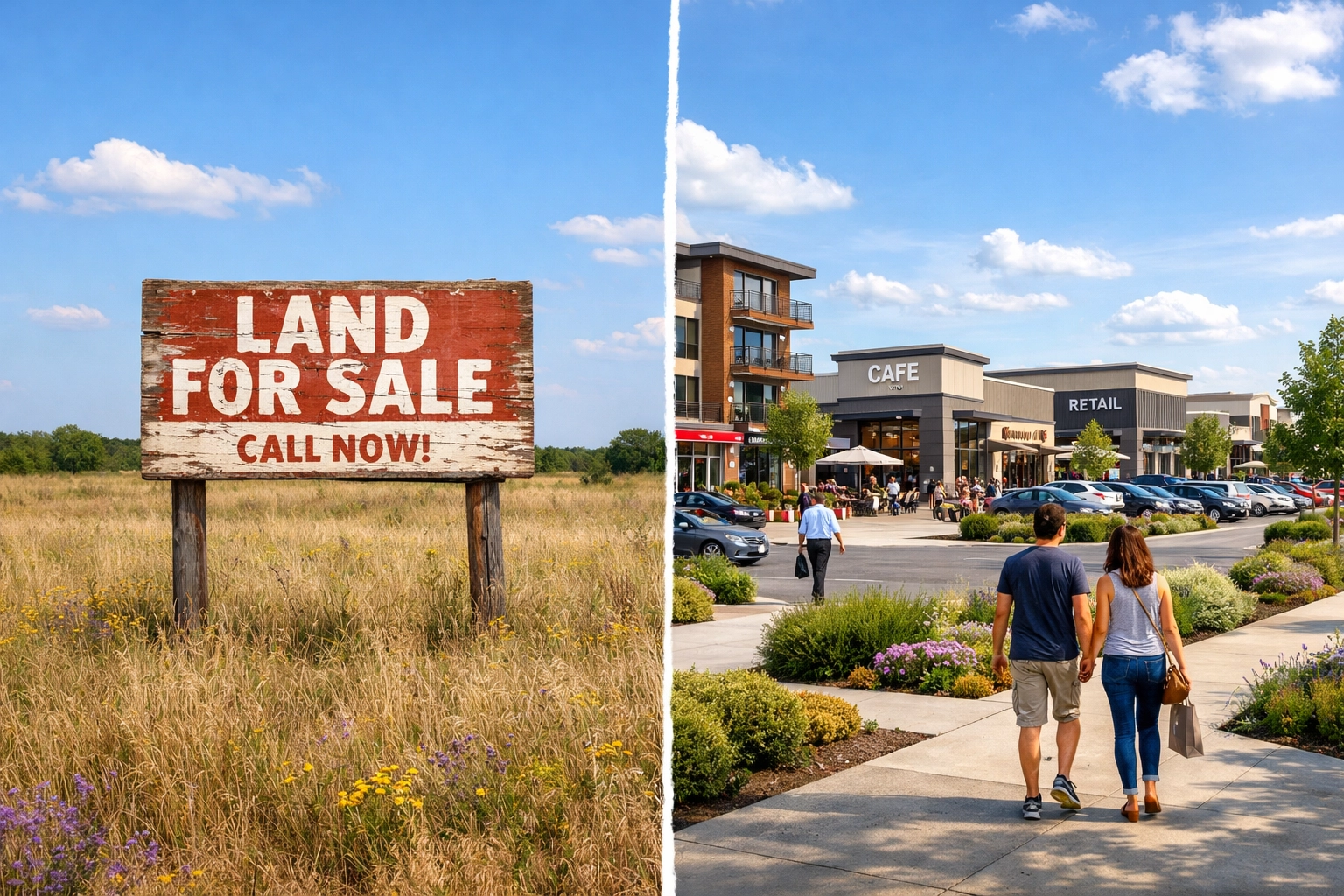
The question isn't whether Rockwall and Kaufman will grow: it's whether you'll position yourself before the price gap closes.
Final Thoughts: History Doesn't Repeat, But It Rhymes
The Great Eastward Shift is happening right now. Rockwall and Kaufman Counties are absorbing population, commercial investment, and corporate interest at a pace that mirrors the early days of the North Dallas explosion.
Land prices are rising. Commercial property per-square-foot rates are climbing. Rooftops are multiplying. And the investors who recognize the pattern early will be the ones who capture the upside.
If you're evaluating land acquisitions, commercial development, or long-term holds in the DFW market, it's time to look East. The same fundamentals that created fortunes in Frisco, Plano, and McKinney are playing out again: just 20 miles down the road.
And this time, the opportunity window is narrower. The smart money is already moving.
Interested in commercial land or development opportunities in Rockwall or Kaufman Counties? Reach out to Cooper Land Company and let's talk about what's available before the market catches up.
OUR LISTINGS

© 2026 Cooper Land Company
DMCA Notice | Terms & Services | Privacy Policy | Accessibility Statement
EQUAL HOUSING OPPORTUNITY



Cooper Land Company
2501 Greenspoint Ln, Prosper, TX 75078
Mobile: 214-714-5638
dan@cooperlandcompany.com